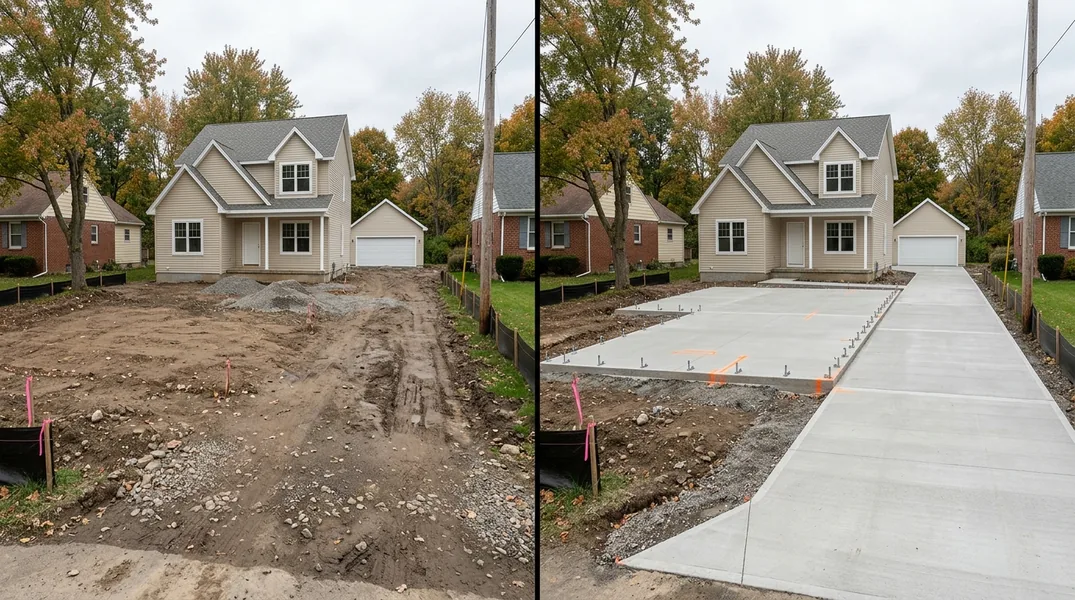
Understanding New Construction Concrete Slabs in Rochester
Purchasing a new construction home in Rochester is an exciting milestone, but it comes with responsibilities that many first-time buyers overlook. One of the most critical elements of your new home is the concrete foundation slab, yet it rarely receives the attention it deserves during the buying process. Unlike older homes where you can observe how a foundation has performed over decades, a new construction slab is essentially unproven. Understanding what to look for and what questions to ask your builder can save you thousands of dollars in repairs down the road.
The concrete slab serves as the literal foundation of your home. It supports the weight of your entire structure, provides a barrier against moisture and soil gases, and must be constructed to withstand the unique climate challenges of upstate New York. In Rochester, where freeze-thaw cycles are a regular winter occurrence, a poorly constructed slab can develop cracks, heaving, and settling issues within just a few years. Before you sign closing documents, you need to understand the specifications of your slab and verify that your builder has followed industry best practices.
The Critical Role of Frost Protection in Rochester New Build Concrete
One of the most important factors in slab durability in upstate New York is proper frost protection. The ground in the Rochester area freezes to significant depths during winter months, and if your concrete slab is not constructed below the frost line, it will experience frost heave. This occurs when soil beneath or adjacent to the slab freezes, expands, and pushes upward, causing the concrete to crack, settle unevenly, or buckle. Once frost heave damage occurs, it is extremely difficult and expensive to repair.
Before closing on your new construction home, ask your builder for documentation showing the frost line depth for your specific property and confirm that the slab footer extends below this depth. In the Rochester region, the frost line typically extends 42 to 48 inches below grade, though this can vary based on soil composition and elevation. Additionally, proper drainage around the slab perimeter is essential. Water that pools near the foundation can infiltrate the soil, freeze, and create pressure that damages the concrete. Request details about the drainage system, gravel base, and any vapor barriers installed beneath your slab. A builder who cannot provide clear documentation of these elements may not have prioritized frost protection adequately.
What to Look for During a Builder Foundation Inspection
A thorough builder foundation inspection should occur before you close on your new construction home. Many homebuyers assume the builder has handled everything correctly, but hiring a qualified inspector to evaluate the slab independently is one of the best investments you can make. During this inspection, the professional should examine the slab surface for cracks, uneven settling, and signs of moisture intrusion. Small hairline cracks are often normal in new concrete as it cures, but wider cracks, especially those that are wider than 1/8 inch or show signs of widening, warrant concern.
The inspector should also verify that the slab is properly sloped for drainage, meaning water should naturally flow away from the foundation rather than pooling against it. They should check that all penetrations (where pipes, electrical conduits, and other utilities pass through the slab) are properly sealed to prevent water and soil gas infiltration. Additionally, the inspector should examine the perimeter for proper grade beams, adequate reinforcement, and evidence that the foundation was constructed according to local building codes. Request a detailed written report from the inspector and share any findings with your builder before closing. Most reputable builders will address legitimate defects identified during this inspection rather than risk a lawsuit after the sale is complete.
Common Red Flags in New Construction Slabs
Certain warning signs should trigger immediate concern during your pre-closing walkthrough. Visible cracks in the slab, especially those that form patterns or appear in multiple locations, suggest potential structural issues or improper curing. Uneven surfaces where one section of the slab is noticeably higher or lower than an adjacent section indicate settling or frost heave, even in a newly constructed home. Efflorescence, which appears as a white, chalky residue on the concrete surface, signals moisture movement through the slab and may indicate inadequate vapor barrier installation or poor drainage.
Water stains, damp spots, or evidence of standing water on or near the slab are serious red flags. Musty odors in crawl spaces or basements can indicate moisture problems that will lead to mold growth and structural deterioration if not addressed. Cracks around door frames, windows, or where the slab meets the foundation walls suggest differential settling. If you notice any of these issues, do not proceed to closing without a detailed explanation from your builder and a plan for remediation. In some cases, you may want to hire a structural engineer to evaluate whether the problems are cosmetic or indicative of deeper construction defects.
Questions to Ask Your Builder Before Closing
Prepare a list of specific questions for your builder during the final walkthrough and before closing. Ask for copies of all concrete specifications, including the concrete mix design, reinforcement details, and the date the slab was poured and finished. Request documentation that concrete curing was performed correctly, typically requiring the slab to cure for at least seven days with moisture protection. Ask whether the builder used air-entrained concrete, which contains tiny air bubbles that help the concrete withstand freeze-thaw cycles more effectively. This is particularly important in Rochester, where winter weather is severe.
Inquire about the warranty coverage on the foundation slab. Most builders offer limited warranties on structural elements, but the specifics vary significantly. Understand exactly what is and is not covered, how long the warranty lasts, and what documentation you need to file a claim. Ask whether the builder used a insured concrete contractor and whether that contractor carries liability insurance. Request the name and contact information for the concrete subcontractor so you can reach out if questions arise after closing. Finally, ask whether the builder performed any post-pour inspections or testing on the concrete to verify it met specified strength requirements. A builder who has nothing to hide will answer these questions thoroughly and provide documentation.
Protecting Your Investment After Closing
Once you close on your new construction home, your responsibility for slab maintenance begins. Even a well-constructed slab requires proper care to ensure longevity. Maintain proper grading around your home so water drains away from the foundation. Keep gutters and downspouts clean and ensure they direct water at least six feet away from the house. Monitor the slab for new cracks and address them promptly. Small cracks can be sealed with concrete crack filler to prevent water infiltration, but larger cracks may require professional evaluation.
If you notice settling, cracking, or moisture issues in the years following your purchase, contact a concrete specialist who can assess whether the problems stem from normal concrete behavior or from construction defects. In the Rochester area, companies like Rochester Concrete can evaluate foundation issues and recommend appropriate solutions, whether that involves Concrete Repair & Resurfacing or other corrective measures. Many homeowners don't realize that foundation problems are often covered under builder warranties if identified within the warranty period, so document any issues with photographs and dates. If you need professional guidance on your slab condition, reach out to Rochester Concrete at (585) 575-0462 or request a free estimate to discuss your concerns. Taking these steps now can prevent small problems from becoming expensive structural failures later.
Looking for a professional concrete contractor in Rochester? Rochester Concrete responds fast for all your concrete needs.
Get a Free QuoteOur services: Concrete Driveways · Concrete Patios · Stamped & Decorative Concrete